オランダ語の表現
オランダ語の「een tijdje」はどういう意味?
A Dutch vague duration — "a while" or "for a bit" — using the diminutive -tje on tijd (time).
この表現の意味
Een tijdje takes the noun tijd (time), adds the diminutive suffix -tje, and produces "a little time" — the Dutch equivalent of English "a while" or "for a bit." The diminutive does pragmatic work here: it makes the duration feel manageable, not too long, not too significant. Tijd alone can feel weighty; tijdje downgrades it.
Dutch speakers use een tijdje when they don't want to commit to a specific duration. Het duurde een tijdje (it took a while), we hebben een tijdje gepraat (we talked for a bit), zij is er een tijdje geweest (she's been here for a bit). The phrase preserves vagueness — Dutch speakers reach for it when precise duration isn't relevant or isn't known.
The diminutive -tje is one of Dutch's most-productive softeners. Almost any noun can take it, and the result is a softened, casualized version: kop (cup) → kopje, huis (house) → huisje, praat (chat) → praatje. Tijdje is one of the most-used examples of this pattern.
よく使われる場面
Vague past duration
"We hebben een tijdje gepraat."
Indeterminate future
"Het kan een tijdje duren."
Friend status update
"Ik heb haar een tijdje niet gezien."
Polite "for a while" framing
「een tijdje」が登場する動画
オランダ語の動画21本にこの表現が登場.
 1:16
1:16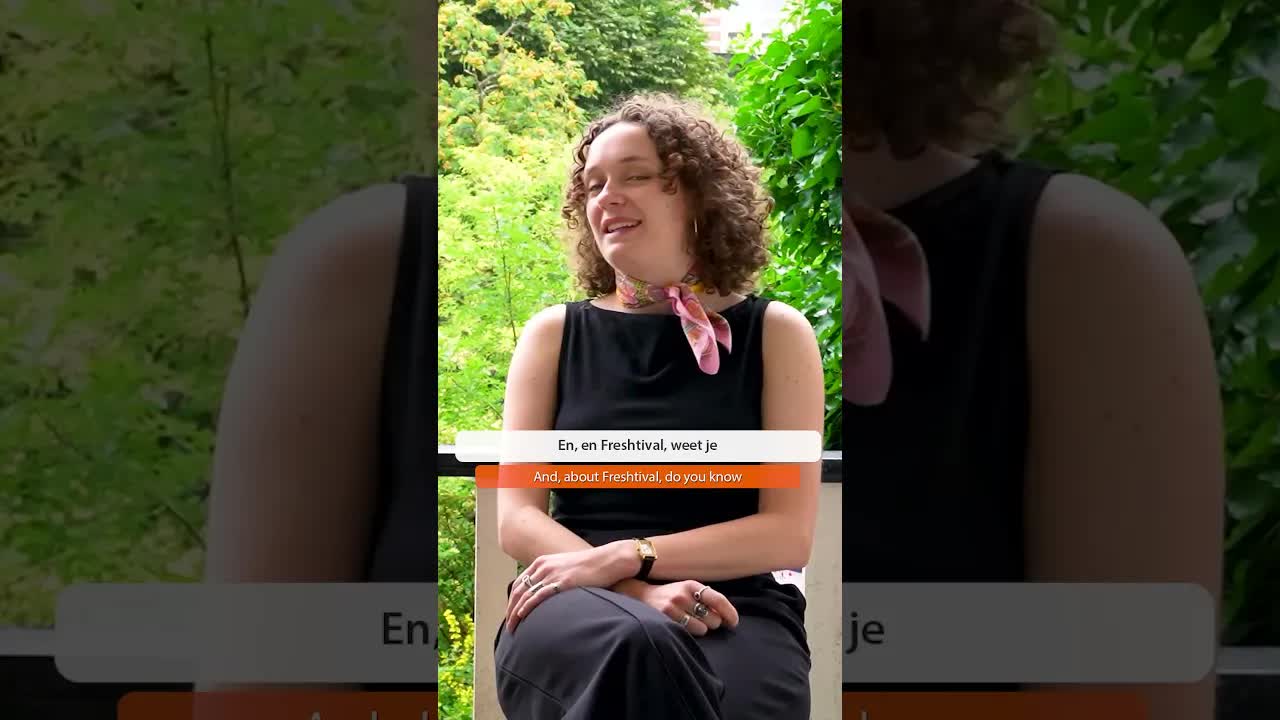 1:10
1:10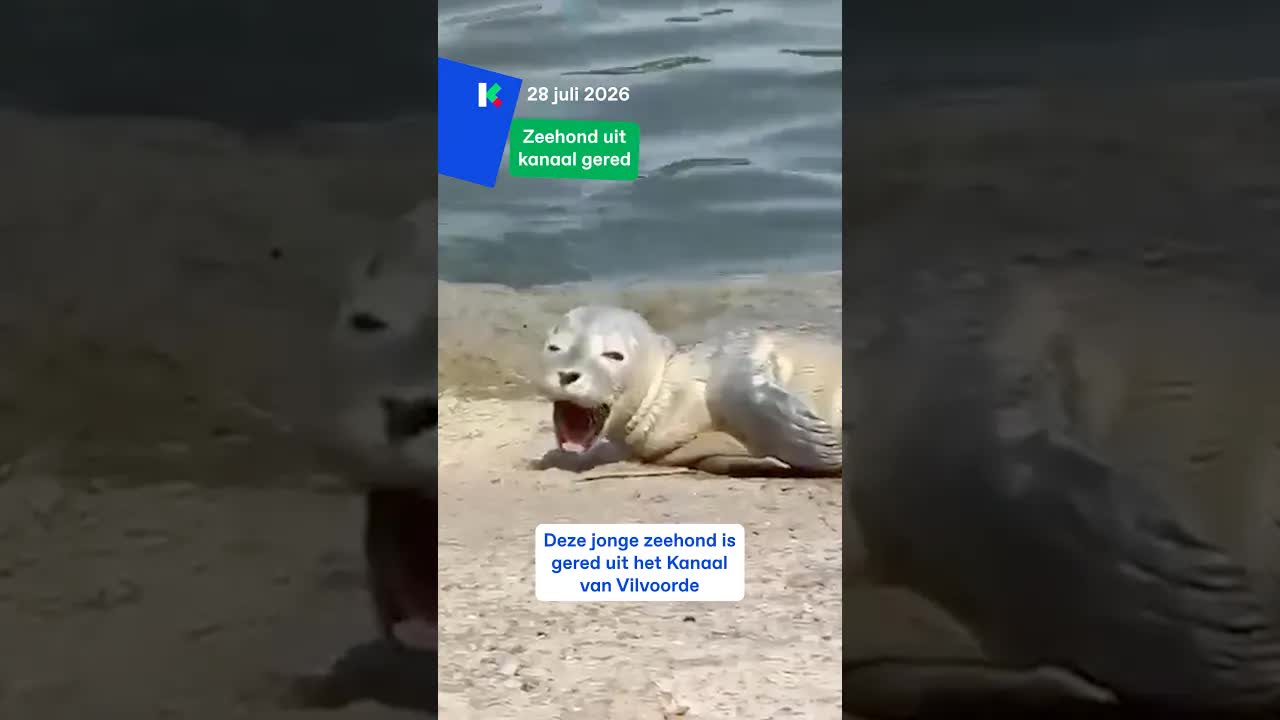 0:22
0:22 0:49
0:49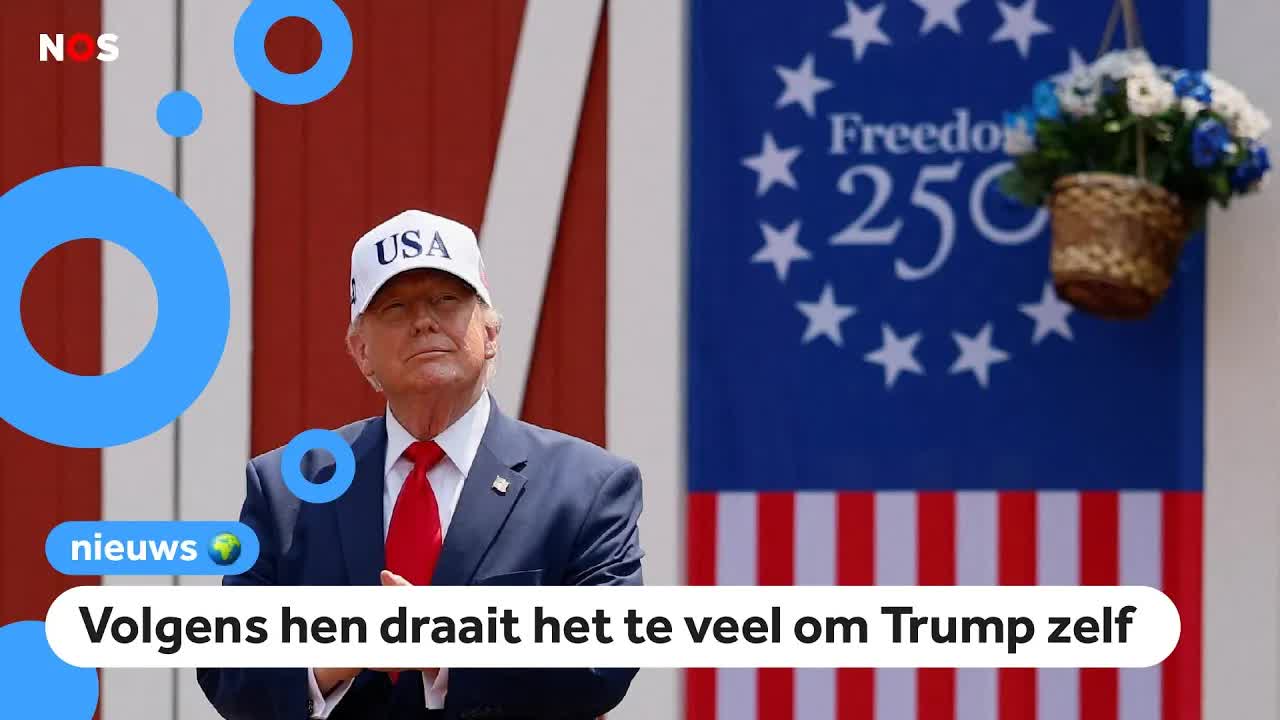 2:02
2:02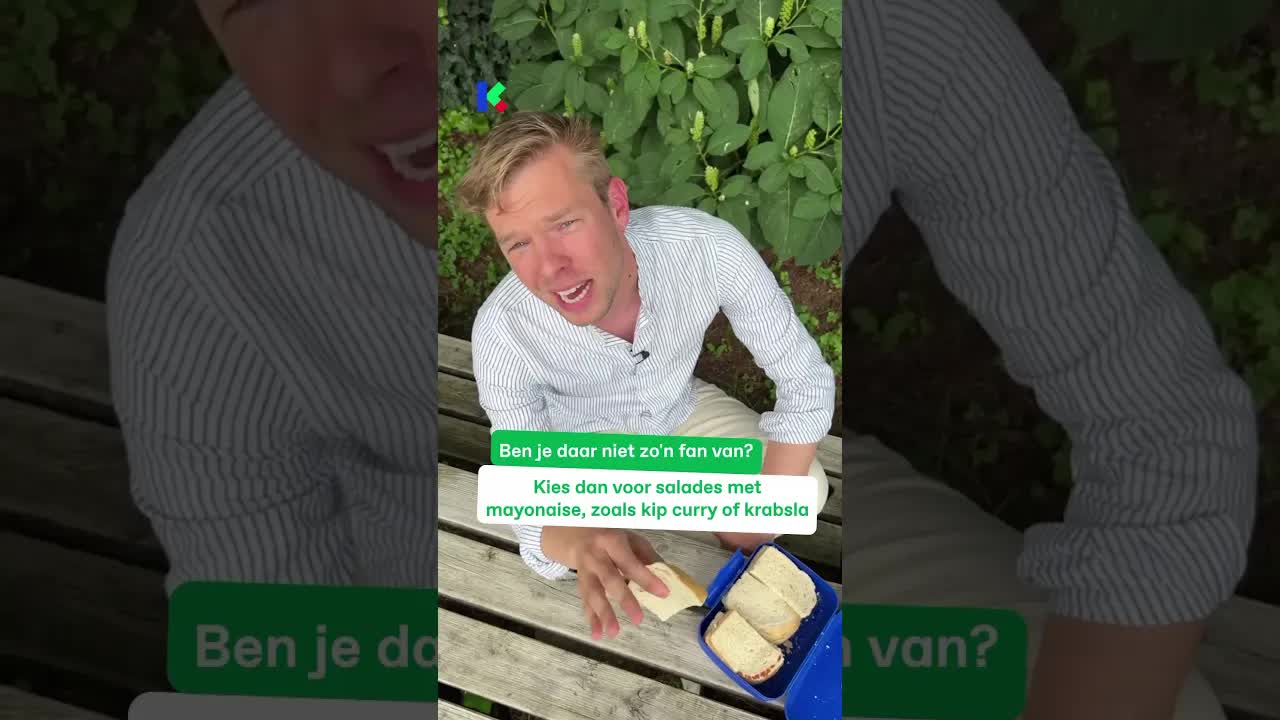 0:30
0:30 0:45
0:45 7:22
7:22 1:55
1:55 1:38
1:38 1:30
1:30 0:44
0:44 1:45
1:45 1:11
1:11 0:29
0:29 0:27
0:27 2:16
2:16 0:26
0:26 2:32
2:32 1:50
1:50 1:35
1:35